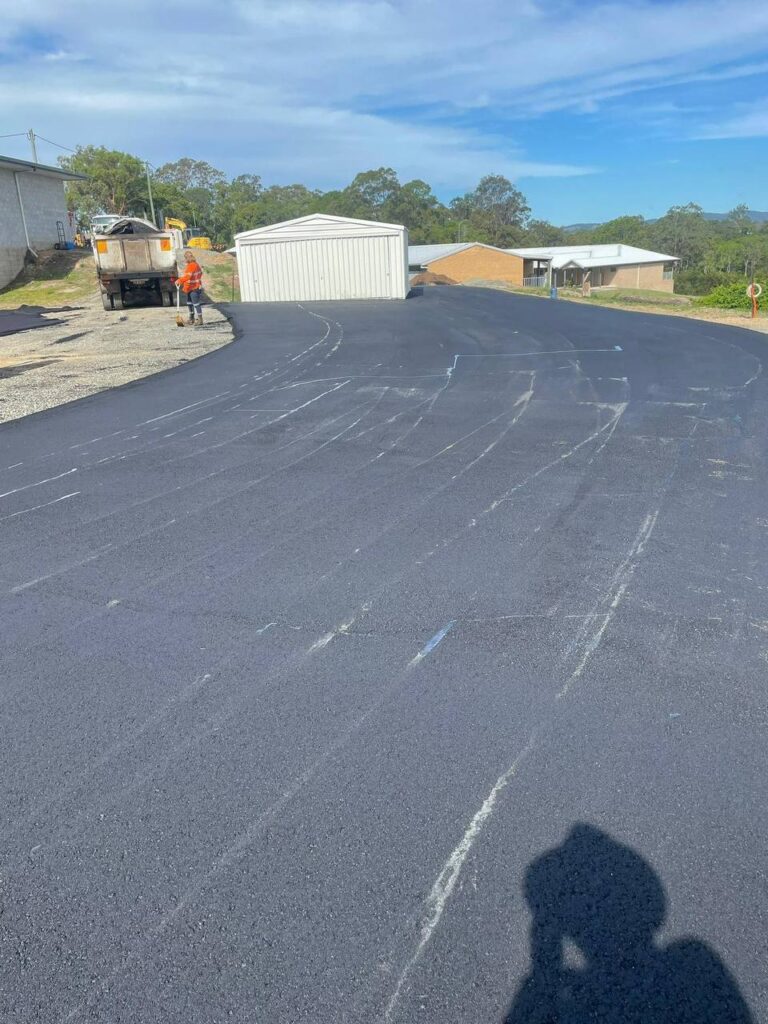
Patching can be an effective way to repair isolated potholes and damaged sections of asphalt. However, if the same areas keep breaking down or new defects appear nearby, the surface may have a wider problem. For property owners in Nerang, repeated patching can be a sign that it is time to arrange a professional assessment and consider resurfacing.
When repeated patches point to a wider problem
A patch addresses damage in a particular spot, but it may not resolve the cause. Water entering through cracks, movement in the underlying base, poor drainage or general surface wear can lead to further deterioration. If the underlying issue remains, the repaired area may fail again or damage may spread.
Resurfacing may be suitable when the existing pavement is worn or distressed across a broader area, but its condition still allows a new asphalt layer to perform properly. A contractor should first assess the surface and base to determine whether resurfacing is appropriate or whether more substantial repairs are needed.
Signs the asphalt may need more than another patch
Look for patterns across the surface rather than judging one damaged spot in isolation. Resurfacing may be worth discussing if you notice:
- Patches appearing in several locations or failing repeatedly
- Cracking spreading beyond repaired sections
- Loose aggregate, fading or a rough, uneven finish across much of the pavement
- Water pooling or running over the surface after rain
- Edges breaking down around multiple repairs
These signs do not automatically mean resurfacing is the right solution. They indicate that the pavement may need a closer inspection to identify the extent and cause of the damage.
How resurfacing can address widespread wear
When the base is stable and the damage is mainly at the surface, resurfacing can provide a continuous new asphalt layer across the affected area. This can improve the finish and avoid relying on a series of separate patches.
The result depends on proper preparation. Before resurfacing, a contractor may need to repair failed sections, address drainage concerns and prepare the existing surface so the new layer can bond effectively. Applying asphalt over unresolved movement or water problems can lead to further defects.
Why a site assessment matters
The right approach depends on the condition of the asphalt, the base beneath it, drainage and how the area is used. A site assessment helps determine whether targeted repairs remain suitable, resurfacing is practical, or more extensive reconstruction is needed.
For Nerang properties, an assessment can also help identify whether water is contributing to recurring damage. Understanding the cause helps ensure the recommended work addresses more than the visible symptoms.
Conclusion
Repeated asphalt patching can indicate that deterioration is no longer confined to isolated spots. If patches keep failing, cracks are spreading or the surface is wearing across a wider area, resurfacing may be worth considering after a professional assessment. Nerang Surfacing Solutions can inspect your asphalt and discuss a practical way forward for your site.
Call us on: 07 3113 9392
Click here to find out more about Nerang Surfacing Solutions
Click here to complete our contact form and see how we can help with your surfacing needs.