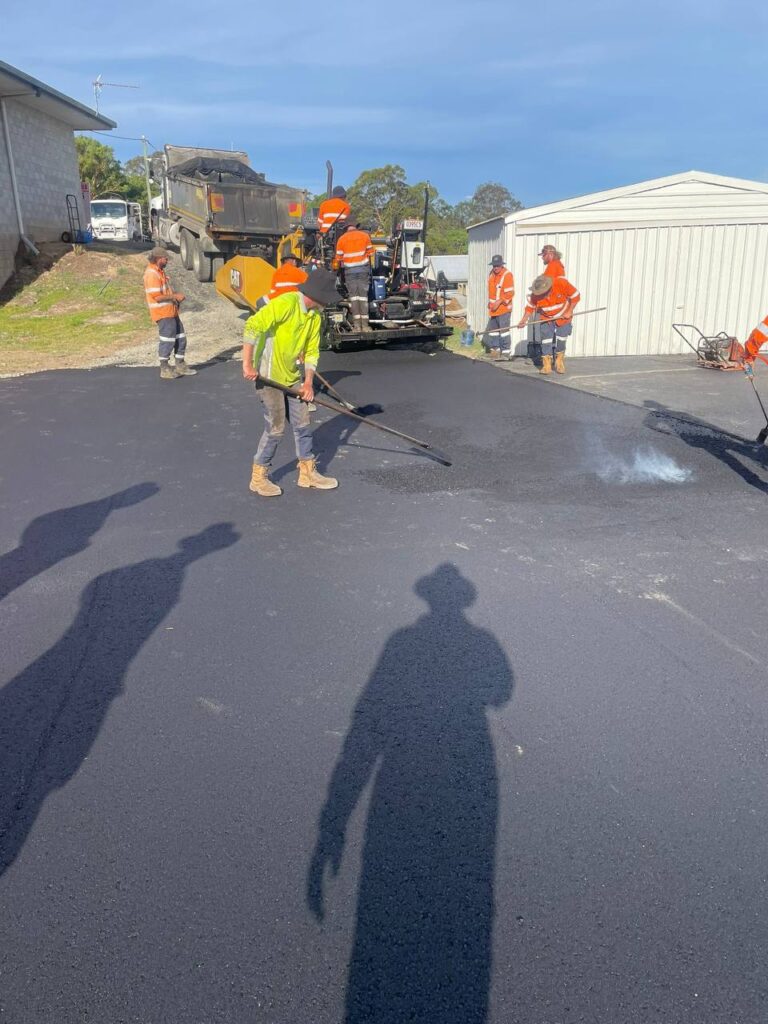
An asphalt surface is designed to provide dependable access for vehicles, machinery and everyday property use. However, even a professionally installed pavement will gradually experience wear from traffic, weather exposure and changes in the supporting ground. Small cracks, minor depressions and areas of surface deterioration may initially appear insignificant, but they can develop into more extensive problems when left unattended.
For property owners and businesses in Nerang, QLD, preventative asphalt maintenance is an effective way to protect existing pavement and reduce the likelihood of avoidable deterioration. Rather than waiting until potholes, widespread cracking or surface instability develop, preventative maintenance focuses on identifying early warning signs and addressing them while the surrounding asphalt remains in good condition.
Understanding which maintenance measures are most beneficial can help preserve the surface, protect its supporting structure and maintain reliable vehicle access.
Why Is Preventative Asphalt Maintenance Important?
Preventative maintenance involves inspecting and maintaining an asphalt surface before significant deterioration occurs.
Its purpose is to preserve the condition of the existing pavement by addressing defects that could eventually affect larger areas.
Asphalt deterioration rarely develops in isolation. A small crack can allow moisture to enter the supporting pavement, while a minor depression may encourage water to collect. Over time, repeated vehicle loading can place additional stress on these weakened areas.
By identifying and treating problems early, preventative maintenance helps protect both the asphalt wearing layer and the pavement structure underneath.
1. Early Crack Treatment Helps Limit Water Penetration
Cracks are among the most common early signs of asphalt deterioration.
They can develop through ageing, temperature changes, repeated vehicle loading or movement within the supporting pavement.
Although a small crack does not necessarily indicate serious structural damage, it can create an opening through which water enters the pavement.
Once moisture reaches vulnerable base materials, the supporting structure may begin losing strength. Continued vehicle movements can then contribute to further cracking, settlement and pothole formation.
Why Addressing Cracks Early Matters
Treating suitable cracks before they become extensive can help restrict moisture penetration and preserve the surrounding asphalt.
The correct treatment depends on the width, pattern and cause of the cracking.
Minor cracks in an otherwise stable surface may be suitable for professional crack sealing or other localised treatments.
However, cracks associated with significant movement, settlement or structural weakness require further investigation.
Preventative maintenance is most effective when the underlying cause of the defect is considered rather than simply covering the visible opening.
2. Regular Drainage Checks Protect the Supporting Pavement
Effective drainage is essential to the long-term performance of asphalt.
When water collects on a paved surface, it can enter through cracks, damaged edges or other vulnerable areas.
If moisture reaches the road base, the supporting materials may become less stable, particularly under repeated vehicle loading.
This can contribute to depressions, cracking, rutting and pothole formation.
What Drainage Problems Should You Look For?
Common warning signs include:
- Water pooling after rainfall
- Depressions that remain wet
- Cracks developing around low areas
- Erosion along pavement edges
- Repeated potholes in the same location
- Water flowing towards damaged asphalt
Preventative maintenance should include checking whether water can drain away from trafficable areas effectively.
Where drainage problems are identified, improvements may involve correcting localised depressions, restoring appropriate surface falls or addressing surrounding runoff.
Maintaining effective drainage helps protect the asphalt and reduces unnecessary moisture exposure within the supporting pavement.
3. Prompt Pothole Repairs Prevent Damage from Spreading
Potholes often develop when cracking, water penetration and repeated traffic cause sections of asphalt to break apart.
Once an opening forms, vehicle tyres can strike its edges, dislodging additional material and gradually enlarging the damaged area.
Water can also enter through the pothole, potentially weakening the pavement underneath.
Without timely attention, an isolated defect can affect a much larger section of the surface.
How Professional Pothole Repairs Help
A properly completed pothole repair restores the damaged area and helps protect the surrounding pavement.
Depending on the condition of the defect, repairs may involve removing loose asphalt, correcting unstable supporting materials and installing replacement asphalt with appropriate compaction.
The repair should address the extent of the deterioration rather than simply filling the visible opening.
Where the supporting base remains unstable, the pothole may return despite the new surface material.
Prompt repairs help preserve neighbouring asphalt that remains serviceable.
4. Maintaining Pavement Edges Helps Prevent Structural Weakness
The edges of an asphalt surface can become vulnerable when surrounding ground erodes or vehicles regularly travel close to the pavement boundary.
Without adequate support, the asphalt may begin cracking or breaking away.
Once edge deterioration develops, water can enter exposed pavement layers and contribute to further weakening.
This damage may gradually spread towards the centre of the trafficable area.
Why Edge Support Is Important
Stable pavement edges help maintain the integrity of the asphalt surface.
Regular inspections should identify:
- Crumbling asphalt edges
- Cracks near pavement boundaries
- Erosion of adjacent material
- Unsupported sections
- Localised settlement
- Areas damaged by repeated vehicle movements
Where deterioration is present, suitable repairs may involve reinstating damaged asphalt and restoring support beside the pavement.
Addressing edge problems early can help prevent localised damage from becoming more extensive.
5. Surface Cleaning Helps Identify Developing Defects
Keeping an asphalt surface reasonably clear of accumulated debris is a useful part of preventative maintenance.
Leaves, sediment and loose material can collect in low areas or obstruct drainage paths.
Debris can also conceal small cracks, damaged edges and early surface deterioration.
Regular cleaning makes it easier to observe changes in pavement condition.
What Should Be Removed?
Maintenance may involve clearing:
- Accumulated dirt and sediment
- Leaves and organic debris
- Loose aggregate
- Material obstructing drainage points
- Debris collecting along pavement edges
Cleaning should be carried out using methods suitable for the condition of the asphalt.
Aggressive treatment of an already deteriorating surface may dislodge additional material.
The objective is to maintain visibility of the pavement and support effective drainage without damaging the wearing layer.
6. Monitoring High-Traffic Areas Helps Identify Excessive Wear
Not every part of an asphalt surface experiences the same loading conditions.
Entrances, turning areas, parking spaces and established wheel paths may be subjected to repeated stresses.
Heavy vehicles, braking movements and stationary loads can also place concentrated pressure on particular sections.
Over time, these areas may develop rutting, cracking or depressions.
Why Traffic Patterns Matter
Preventative maintenance should consider how vehicles use the surface.
For example, recurring damage near an entrance may indicate that the pavement is experiencing greater loading than surrounding areas.
Similarly, wheel ruts may suggest that the supporting pavement is struggling to resist repeated traffic.
Where these problems appear, a professional assessment can determine whether localised strengthening or deeper repairs are required.
Simply patching the visible damage may not resolve deterioration caused by inadequate pavement support.
7. Repairing Minor Surface Damage Can Preserve Surrounding Asphalt
Small areas of surface deterioration can gradually expand when exposed to continued traffic.
Loose aggregate, crumbling asphalt and minor depressions may indicate that the wearing layer is beginning to lose integrity.
If these defects are left untreated, water penetration and repeated vehicle movements can accelerate the breakdown.
Preventative maintenance aims to address suitable defects while the surrounding pavement remains stable.
Why Localised Repairs Are Valuable
Where damage is confined to a small area, professional patching or other appropriate repairs may help restore the surface without requiring broader reconstruction.
The affected material should be assessed to determine whether deterioration is limited to the asphalt or extends into the supporting base.
If the underlying pavement remains sound, localised repairs can help preserve the existing surface.
Where deeper weakness is identified, the supporting materials may need correction before the asphalt is reinstated.
8. Asphalt Resurfacing Can Be Part of a Preventative Maintenance Plan
Asphalt resurfacing is not always necessary when minor defects first appear.
However, an existing surface may eventually become extensively worn while its supporting pavement remains structurally sound.
At this stage, resurfacing may provide an appropriate way to renew the wearing layer before more substantial deterioration develops.
When Should Resurfacing Be Considered?
Resurfacing may be suitable when:
- General surface wear has become widespread
- Numerous minor defects require attention
- The pavement base remains stable
- Existing damage can be repaired beforehand
- The surface requires renewal to maintain its intended use
Asphalt resurfacing involves preparing the existing pavement and installing a new wearing layer.
Before work begins, significant cracks, potholes and unstable sections should be assessed and corrected.
A new asphalt layer should not simply conceal structural weaknesses that may continue causing deterioration.
9. Regular Inspections Help Establish Maintenance Priorities
One of the most important aspects of preventative maintenance is recognising changes in the asphalt before they become serious.
A surface may appear generally serviceable while small defects are beginning to develop.
Regular inspections provide an opportunity to identify these changes and determine which areas require attention.
What Should an Asphalt Inspection Include?
Important signs to monitor include:
- New or widening cracks
- Small potholes
- Loose or crumbling asphalt
- Surface depressions
- Wheel rutting
- Water pooling
- Damaged edges
- Movement around previous repairs
- Uneven or unstable sections
Particular attention should be given to areas where deterioration has occurred previously.
Recording the location and progression of defects can help identify recurring problems and determine whether the pavement requires more than routine surface repairs.
10. Preventative Maintenance Helps Protect Previous Repairs
Existing asphalt repairs should also be included in regular inspections.
A properly completed patch may remain serviceable for an extended period, but changes in surrounding pavement conditions can affect its performance.
Cracks developing beside a repair, movement around its edges or new potholes nearby may indicate that deterioration is continuing outside the original repair area.
Why Previous Repair Areas Deserve Attention
Repeated defects around the same location can suggest an underlying problem.
Possible causes include inadequate drainage, unstable supporting materials or traffic stresses that exceed the pavement’s capacity.
Inspecting repaired sections helps identify whether the surrounding asphalt remains stable.
Where deterioration continues, professional assessment can determine whether additional localised repairs or structural improvements are necessary.
How Often Should Asphalt Maintenance Be Carried Out?
There is no single maintenance schedule suitable for every asphalt surface.
The appropriate frequency depends on the pavement’s condition, traffic levels, drainage and intended use.
A residential driveway carrying occasional passenger vehicles will generally experience different demands from a commercial access road or hardstand used by heavier vehicles.
However, all asphalt surfaces benefit from periodic inspections.
Additional checks are useful after prolonged rainfall, noticeable changes in vehicle use or the appearance of new defects.
The important consideration is identifying deterioration early enough for appropriate maintenance to be completed before damage spreads.
What Happens When Preventative Maintenance Is Overlooked?
Without regular maintenance, minor asphalt defects can develop into more extensive pavement problems.
Small cracks may widen, allowing additional water penetration. Surface depressions can become deeper, while damaged edges may gradually break away under traffic.
If the supporting pavement begins losing stability, localised deterioration can develop into widespread cracking, rutting or repeated pothole formation.
As damage progresses, simple surface repairs may no longer be sufficient.
More substantial rehabilitation may be required to restore adequate pavement support.
Preventative maintenance helps reduce the likelihood of this progression by addressing defects at an earlier stage.
Can Preventative Maintenance Eliminate the Need for Asphalt Replacement?
Preventative maintenance can help extend the serviceable life of asphalt, but it cannot prevent every form of pavement deterioration.
Asphalt naturally experiences ageing and wear. Changes in ground conditions, traffic loading and drainage can also affect its performance.
Where the pavement remains structurally sound, regular maintenance and appropriate resurfacing can help preserve the existing surface.
However, extensive settlement, deep rutting, widespread structural cracking and repeated pavement failure may indicate that deeper rehabilitation is necessary.
The purpose of preventative maintenance is to preserve serviceable pavement and identify problems before they become more extensive, not to avoid necessary reconstruction when the supporting structure has failed.
Why Professional Asphalt Maintenance Makes a Difference
Effective maintenance involves understanding why a defect has developed.
A crack caused by surface ageing may require a different treatment from one associated with settlement or pavement movement.
Similarly, a pothole caused by localised surface deterioration may be repaired differently from one involving an unstable road base.
An experienced asphalt contractor can assess the pavement, identify likely causes of deterioration and recommend appropriate maintenance or repair work.
Professional preparation, suitable materials and correct compaction are important for achieving dependable repairs.
For property owners and businesses in Nerang, QLD, this approach helps ensure maintenance is directed towards protecting the pavement rather than repeatedly treating the same visible symptoms.
What Are the Long-Term Benefits of Preventative Asphalt Maintenance?
A consistent maintenance approach can provide several practical benefits.
These include:
- Reducing the spread of cracks and potholes
- Limiting moisture penetration
- Protecting the supporting road base
- Maintaining consistent vehicle access
- Preserving serviceable sections of asphalt
- Identifying drainage problems early
- Reducing recurring surface deterioration
- Recognising when resurfacing is appropriate
- Supporting longer-term pavement performance
The greatest benefit comes from identifying and addressing defects before they affect larger sections of the surface.
Preventative maintenance is therefore an important part of protecting asphalt driveways, access roads, car parks and hardstands.
Conclusion
Preventative maintenance can make a significant difference to the long-term condition of an asphalt surface. Regular inspections, timely crack treatment, prompt pothole repairs, effective drainage and attention to pavement edges all help reduce the likelihood of minor defects developing into more extensive damage.
The condition of the supporting pavement is equally important. Where deterioration is caused by settlement, unstable base materials or excessive traffic loading, deeper repairs may be necessary to prevent recurring problems. Resurfacing can also be an appropriate option when the wearing layer has become extensively worn but the underlying structure remains sound.
Nerang Surfacing Solutions provides professional asphalt repairs, maintenance and bitumen resurfacing services throughout Nerang, QLD. If your driveway, access road, car park or hardstand is beginning to show signs of deterioration, contact our team to arrange an assessment and discuss suitable maintenance options to help protect your existing surface.
Call us on: 07 3113 9392
Click here to find out more about Nerang Surfacing Solutions
Click here to complete our contact form and see how we can help with your surfacing needs.