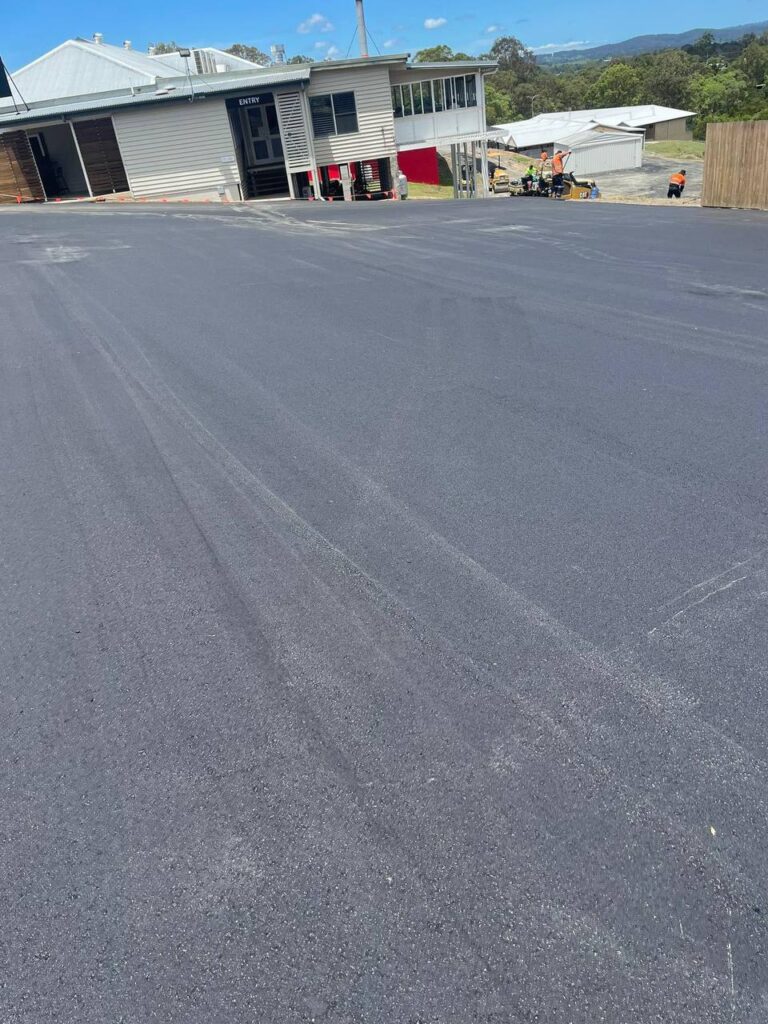
Potholes can develop gradually, often beginning with minor cracks, surface wear or small depressions that may initially seem insignificant. As traffic continues passing over these weakened areas, the damage can spread, eventually causing the asphalt to break apart. Regular road inspections help identify these early warning signs before they develop into more substantial pavement problems.
For property owners, businesses and those responsible for maintaining roads in Nerang, QLD, routine inspections are an important part of effective asphalt and bitumen maintenance. By recognising changes in pavement condition early, it becomes easier to arrange appropriate repairs, protect surrounding surfaces and maintain reliable access for vehicles.
Why Are Regular Road Inspections Important?
Road surfaces are constantly exposed to vehicle movements, weather conditions and gradual material deterioration. Although asphalt is designed to withstand regular use, small defects can develop over time.
Without routine inspections, these defects may remain unnoticed until they become more serious.
A structured inspection helps identify changes in the pavement before significant deterioration occurs. This allows maintenance to be planned around the actual condition of the road rather than waiting for potholes or widespread surface failure to appear.
Identifying Small Cracks Before They Develop Further
Cracking is one of the earliest indicators that an asphalt surface may require attention.
Small cracks can form because of pavement ageing, repeated traffic loading, movement within the supporting layers or changes in the condition of the surface.
Although a fine crack may not immediately affect vehicle movement, it can create an opening through which water enters the pavement.
During an inspection, attention should be given to:
- New cracks appearing across the surface
- Existing cracks becoming wider or longer
- Cracks developing around previous repairs
- Interconnected cracking in wheel paths
- Crumbling material along crack edges
Identifying these changes early allows a contractor to determine whether crack treatment, localised repairs or further investigation is appropriate.
Detecting Small Depressions and Uneven Areas
Potholes do not always begin with visible cracking. In some cases, pavement deterioration becomes noticeable through small depressions or changes in surface level.
These areas may indicate settlement or movement within the supporting pavement.
A depression can also collect rainfall, increasing the opportunity for water to enter nearby cracks or damaged sections.
Regular inspections help identify these changes before they develop into more significant deformation.
Where a depression continues growing, professional assessment can establish whether the problem is confined to the surface or involves the supporting pavement underneath.
Recognising Loose or Crumbling Asphalt
Loose aggregate and crumbling asphalt are important warning signs.
As the wearing surface deteriorates, small pieces of material can begin separating from the pavement. Continued vehicle movements may then dislodge additional material, gradually creating a larger damaged area.
If deterioration progresses, an open pothole may eventually form.
Inspecting for loose material is particularly useful around heavily travelled sections, previous repairs and areas where surface wear is already visible.
Early treatment can help prevent the surrounding asphalt from breaking apart.
Identifying Drainage Problems Before They Cause Damage
Drainage plays an important role in pavement performance.
When water consistently collects on a road, it can enter cracks, damaged joints and other openings. If moisture reaches vulnerable supporting materials, the pavement may begin losing stability.
Routine inspections should consider how water moves across the surface, particularly following rainfall.
Warning signs include:
- Water pooling in wheel paths
- Standing water around previous repairs
- Persistent puddles in depressions
- Water flowing through cracked sections
- Erosion beside pavement edges
Identifying drainage problems early provides an opportunity to address conditions that may contribute to future pothole formation.
Monitoring Areas That Experience Heavy Traffic
Not every section of a road experiences the same loading.
Some areas are subjected to repeated wheel movements, braking, turning or heavier vehicles. These concentrated stresses can accelerate deterioration where the pavement is already weakened.
Regular inspections should pay particular attention to:
- Established wheel paths
- Road entrances and exits
- Turning areas
- Sections used by heavier vehicles
- Locations where vehicles regularly slow or stop
Monitoring these areas helps identify developing weaknesses before the surface begins breaking apart.
Checking Previous Pothole Repairs
A completed pothole repair should restore the damaged section, but surrounding pavement can continue deteriorating if underlying weaknesses remain nearby.
For this reason, previous repairs should form part of routine road inspections.
Inspectors should look for new cracks around repair boundaries, changes in pavement level, crumbling edges and water collecting over repaired sections.
If defects repeatedly appear around the same location, it may indicate that deterioration extends beyond the original repair.
A professional assessment can then determine whether further localised work or a broader pavement treatment is necessary.
Inspecting Road Edges for Early Deterioration
Road edges are sometimes overlooked during maintenance inspections.
However, these areas can become vulnerable when surrounding material erodes, drainage is inadequate or vehicles repeatedly travel close to the pavement boundary.
Once an edge begins breaking away, the damaged area can gradually extend towards the main trafficable surface.
Regular inspections can identify:
- Cracking along pavement boundaries
- Missing or crumbling edge material
- Erosion beside the road
- Unsupported asphalt
- Water entering damaged edges
Maintaining adequate edge support can help prevent progressive deterioration and preserve the usable pavement.
Understanding How Small Defects Become Potholes
One of the main benefits of regular road inspections is the opportunity to interrupt deterioration before a pothole develops.
A common sequence involves a small crack allowing moisture to enter the pavement. The supporting material may then weaken, particularly where repeated traffic loads are present.
As movement increases, the asphalt can begin cracking further and losing its integrity.
Eventually, pieces of the surface may loosen and break away, creating a pothole.
Not every pothole develops through exactly the same process, but recognising the early stages of deterioration can help prevent minor defects from becoming more extensive.
How Often Should Asphalt Roads Be Inspected?
There is no single inspection frequency suitable for every road.
The appropriate schedule depends on factors such as pavement age, traffic volume, vehicle types, previous repair history and the condition of the supporting pavement.
A lightly used access road may require a different inspection approach from a heavily trafficked commercial surface.
Additional inspections can be particularly useful following prolonged rainfall, unusual traffic loading or noticeable changes in pavement condition.
The most important consideration is consistency. Establishing a regular inspection routine makes it easier to recognise deterioration that develops gradually.
Why Recording Changes in Pavement Condition Is Useful
An inspection becomes more valuable when observations can be compared over time.
Keeping a simple record of cracks, depressions, potholes and previous repairs helps identify whether damage is remaining stable or becoming progressively worse.
Photographs and notes about defect locations can be particularly useful.
For example, a crack that has remained unchanged may require a different response from one that has noticeably widened over several inspections.
Monitoring these changes helps determine which areas should receive attention first.
Prioritising Repairs Based on Pavement Condition
Regular inspections make it easier to distinguish minor defects from areas showing more serious deterioration.
A small isolated crack in otherwise stable pavement may be suitable for preventative treatment.
However, a crack accompanied by settlement, crumbling edges or recurring potholes may indicate deeper structural problems.
Repair priorities should consider:
- The extent of the damage
- Whether deterioration is spreading
- Signs of underlying pavement movement
- Water penetration
- Traffic loading
- The condition of surrounding asphalt
This approach helps ensure maintenance addresses the areas where deterioration is most likely to progress.
Why Early Pothole Repairs Are More Effective
Once a pothole forms, continued vehicle movements can cause additional material to break away from its edges.
Water can also enter the opening and affect the supporting pavement.
Prompt repairs help limit the opportunity for this damage to spread into neighbouring asphalt.
A professional pothole repair should involve assessing the depth and extent of deterioration, removing unsuitable material where necessary and restoring stable support before reinstating the surface.
Simply filling the visible opening without considering its cause may leave the pavement vulnerable to recurring problems.
When Should Resurfacing Be Considered?
Regular inspections can also help identify when a road is approaching the stage where broader resurfacing may be appropriate.
If an asphalt surface has become extensively worn or developed numerous minor defects, repeatedly repairing individual areas may no longer be the most suitable maintenance approach.
Resurfacing may be considered where the supporting pavement remains sufficiently stable but the upper surface has deteriorated.
Before resurfacing, significant defects should be corrected and the existing pavement assessed to ensure it can adequately support the renewed wearing layer.
When Are Deeper Pavement Repairs Necessary?
Not every deteriorating road can be restored through surface repairs or resurfacing.
Where inspections reveal widespread settlement, severe rutting, extensive interconnected cracking or recurring potholes, the supporting pavement may have lost stability.
In these situations, deeper rehabilitation or reconstruction may be required.
A professional assessment can help establish whether structural deterioration is confined to particular sections or affects a wider area.
Identifying these conditions through regular inspections prevents unsuitable surface treatments from being used where deeper corrective work is necessary.
The Value of Professional Road Inspections
Although property owners can identify many visible warning signs, determining the cause of pavement deterioration often requires professional experience.
An experienced asphalt contractor can examine the relationship between cracking, drainage, settlement, previous repairs and traffic patterns.
This broader assessment helps establish whether the pavement requires preventative maintenance, localised pothole repairs, resurfacing or structural rehabilitation.
The objective is not simply to repair every visible defect individually. It is to understand how the road is performing and select treatments that address the actual causes of deterioration.
How Regular Inspections Support Long-Term Road Maintenance
A consistent inspection programme provides a clearer understanding of how an asphalt or bitumen road changes over time.
Rather than responding only when potholes become obvious, maintenance can focus on preserving areas that remain serviceable.
Early identification of cracking, drainage problems, edge deterioration and pavement movement can help reduce the likelihood of defects spreading into surrounding sections.
This proactive approach supports more dependable road performance and helps maintain a consistent surface for everyday vehicle use.
Conclusion
Regular road inspections are an effective way to identify the early warning signs of pothole formation. Small cracks, depressions, loose asphalt, drainage problems and deteriorating pavement edges can all indicate that a road requires attention before more extensive damage develops.
By monitoring these conditions and arranging appropriate repairs, property owners and businesses can help preserve existing asphalt, reduce the spread of deterioration and maintain reliable access. Where recurring defects indicate deeper pavement problems, professional assessment can determine whether localised repairs, resurfacing or structural rehabilitation is the most suitable solution.
Nerang Surfacing Solutions provides professional asphalt repairs, pothole repairs and bitumen resurfacing services throughout Nerang, QLD. If your road or access surface is beginning to show signs of cracking, unevenness or deterioration, contact our team to arrange an assessment and discuss an appropriate maintenance or repair solution.
Call us on: 07 3113 9392
Click here to find out more about Nerang Surfacing Solutions
Click here to complete our contact form and see how we can help with your surfacing needs.