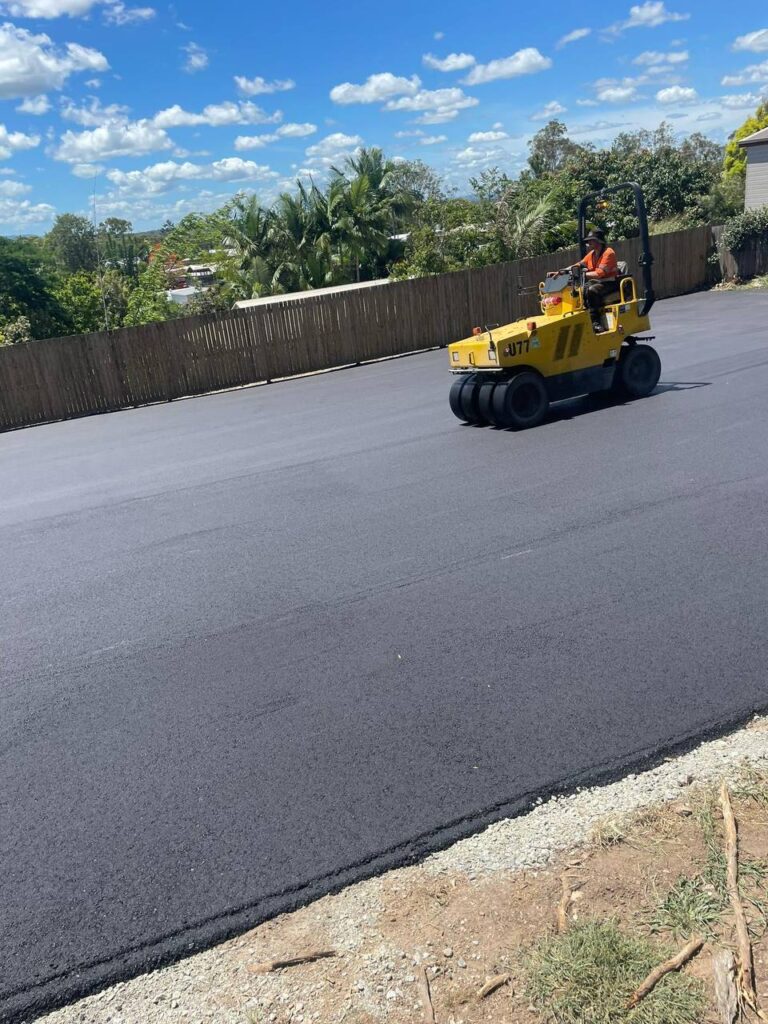
Potholes are among the most recognisable signs of pavement deterioration. They can develop on driveways, access roads, car parks, hardstands and other asphalt or bitumen surfaces, often beginning as a relatively small defect before spreading into the surrounding pavement.
For property owners and businesses in Nerang, QLD, the important question is not simply how to fill a pothole, but why it developed in the first place. When potholes repeatedly return in the same area, there is often an underlying issue that a basic surface repair cannot resolve. Nerang Surfacing Solutions provides professional asphalt and bitumen resurfacing services with a focus on identifying these underlying causes and restoring dependable surface performance.
How Does a Pothole Actually Form?
Potholes usually develop through a gradual process rather than appearing suddenly. The pavement first becomes vulnerable through cracking, ageing, deformation or another form of deterioration. Water can then penetrate through these openings and reach the supporting layers underneath.
Once the pavement loses support, repeated vehicle movements place additional stress on the weakened area. Eventually, sections of asphalt begin breaking away and a pothole forms.
A typical sequence can involve:
- Cracks developing in the pavement
- Water entering through the damaged surface
- Base materials becoming weakened or unstable
- Traffic placing repeated loads on the affected section
- Asphalt breaking apart and forming a hole
Understanding this process is important because the visible pothole is sometimes only the final symptom of a problem that started below the surface.
Water Is a Major Contributor
Water and pavement deterioration are closely connected. Asphalt and bitumen surfaces are designed to protect the layers beneath them, but cracks and damaged areas provide pathways for moisture.
Once water reaches the base, it can reduce the strength and stability of the supporting material.
Poor Drainage Can Make the Problem Worse
Water does not necessarily need to enter through a large crack to cause problems. Persistent pooling can expose vulnerable sections to moisture repeatedly.
Warning signs of drainage problems include:
- Puddles remaining after rainfall
- Water consistently collecting in wheel paths
- Damp or soft pavement edges
- Depressions holding water
- Potholes repeatedly appearing in low areas
Correct grading and drainage can therefore be just as important as repairing the pothole itself.
Cracks Can Be the Beginning of Pothole Formation
A small crack may not initially affect how a pavement is used, but it should not automatically be dismissed.
As cracks widen, they allow additional moisture and debris into the pavement. Traffic can also place pressure on the cracked edges, gradually loosening the surrounding asphalt.
Interconnected or widespread cracking deserves particular attention because it may indicate that a larger section of pavement is losing structural integrity.
Weakness Beneath the Asphalt
A strong asphalt surface relies on a stable foundation. If the supporting base has weakened, moved or settled, the asphalt above may no longer receive even support.
Potential signs of foundation problems include:
- Recurring potholes
- Rutting
- Localised sinking
- Uneven pavement
- Cracking around repaired areas
In these circumstances, continually repairing only the upper surface may not stop the problem from returning.
Traffic Can Accelerate Existing Damage
Every pavement needs to be suitable for the traffic it carries. Repeated vehicle movements create stresses throughout the pavement structure, particularly around already damaged areas.
Heavy vehicles, frequent turning, braking and concentrated wheel movements can accelerate deterioration where the pavement has already become weak.
Once a pothole begins forming, tyres can strike its edges and loosen additional material. This is why a relatively small hole can become noticeably larger over time.
Why Do Some Potholes Keep Coming Back?
A pothole that returns after repair is often an indication that its underlying cause remains.
Repeated failures may be associated with:
- Unresolved drainage problems
- Water remaining beneath the pavement
- Weak base material
- Movement or settlement
- Deterioration extending beyond the repaired section
- Wider structural cracking
A repair may appear successful initially, but if the surrounding pavement remains unstable, cracking and deterioration can eventually reappear.
The Repair Area Needs to Be Properly Prepared
A lasting pothole repair requires more than placing new material into the visible hole. Loose and failed material needs to be addressed so that the repair can bond with stable surrounding pavement.
Depending on the condition of the area, professional repair may involve assessing the damaged section, removing unsuitable material, restoring support where necessary and properly compacting the repair.
The objective is to create a stable repaired section rather than simply hide the defect.
When Is a Pothole a Sign of a Larger Pavement Problem?
One isolated pothole does not necessarily mean an entire asphalt surface requires resurfacing. However, the overall condition of the pavement should be considered when damage becomes widespread.
A broader solution may need to be assessed when there are:
- Multiple potholes across the surface
- Extensive interconnected cracking
- Numerous previous patches
- Significant rutting or depressions
- Widespread surface deterioration
- Potholes that repeatedly return after repairs
In these situations, continuing with isolated repairs may not address the condition of the pavement as a whole.
Can Early Repairs Prevent Further Deterioration?
Addressing a developing pothole early can help protect the surrounding pavement. Once a hole is open, water has easier access to the underlying structure and traffic can progressively damage its edges.
Timely repairs can help contain the affected area before deterioration spreads further.
Property owners should also monitor the surrounding pavement for cracks, movement and drainage issues. These observations can provide valuable clues about what caused the pothole and whether further work may be required.
Repair, Resurface or Investigate the Base?
The appropriate solution depends on why the pavement has failed.
A localised repair may be suitable where the surrounding asphalt and supporting layers remain sound. Resurfacing may be worth considering when deterioration affects a substantial portion of the pavement but the underlying structure remains suitable. Where significant foundation problems exist, those weaknesses may need to be addressed before a new surface is installed.
This is why professional assessment is valuable. The most appropriate treatment should be based on pavement condition rather than simply the appearance of the pothole.
Looking Beyond the Visible Damage
At Nerang Surfacing Solutions, we approach pothole and resurfacing work in Nerang, QLD, by considering the condition of the surrounding pavement as well as the visible defect. Drainage, cracking, surface movement and base stability can all provide useful information about why deterioration has occurred.
Identifying these factors allows repairs or resurfacing to be planned around the actual condition of the pavement, helping to achieve a more dependable result.
Conclusion
Potholes commonly develop when cracks, water penetration, traffic and weakened supporting layers combine to cause the asphalt surface to break apart. When the same potholes keep returning, the problem may lie deeper than the visible surface.
For property owners and businesses in Nerang, QLD, repeated pothole repairs are a good reason to have the wider pavement assessed. Correcting drainage issues, unstable sections or broader surface deterioration can be essential to achieving a longer-lasting solution.
If potholes are developing or repeatedly returning on your asphalt or bitumen surface, contact Nerang Surfacing Solutions for a professional assessment. We can evaluate the condition of the pavement and recommend an appropriate repair or resurfacing approach without carrying out more work than the surface requires.
Call us on: 07 3113 9392
Click here to find out more about Nerang Surfacing Solutions
Click here to complete our contact form and see how we can help with your surfacing needs.